
Peptide therapy has rapidly emerged as one of the most exciting advancements in modern wellness and performance optimization. Once limited to clinical research and elite athletic circles, peptides for wellness are now being embraced by adults seeking sustainable weight loss, lean muscle development, improved energy, and healthy aging. As science continues to uncover how these compounds interact with the body at a cellular level, peptide treatments are redefining what is possible in personalized health optimization.
Unlike one-size-fits-all supplements or short-term solutions, advanced peptide therapy works by supporting the body’s natural physiological processes. This allows individuals to experience improvements in body composition, metabolic efficiency, recovery, and overall vitality without forcing artificial stimulation. Understanding what peptides are and how they work is the first step toward unlocking their full potential.
Understanding Peptides and Their Role in the Body
Peptides are short chains of amino acids that act as signaling molecules throughout the body. They function as messengers, telling cells how and when to perform specific actions. Because amino acids are the building blocks of proteins, peptides naturally occur in the human body and play essential roles in nearly every biological function.
How Peptides Differ from Proteins and Hormones
While proteins are long and complex chains of amino acids, peptides are much shorter and more targeted. This makes them highly specific in their actions. Hormones, on the other hand, are chemical messengers that influence broader systemic effects. Peptides often work in conjunction with hormones, enhancing or regulating hormonal signals without disrupting the natural balance.
This distinction is what makes peptide therapy so appealing. Rather than introducing external hormones into the body, peptides encourage existing pathways to function more efficiently. Growth hormone secretagogues, for example, stimulate the body’s own production of growth hormone instead of replacing it artificially.
Why Peptide Therapy Is Gaining Popularity
The rise in peptide therapy is driven by adults seeking smarter and safer ways to optimize their health. Peptides for wellness appeal to individuals who want results rooted in biology rather than stimulants or extreme interventions. From weight loss and muscle development to cognitive clarity and anti-aging support, peptide benefits extend into multiple areas of physical and mental performance.
As personalized medicine continues to evolve, peptide treatments stand out for their adaptability and precision. Protocols can be tailored to individual goals, making them especially effective for long-term health improvement.
Peptides for Weight Loss and Metabolic Health
One of the most common reasons people explore peptide treatments is their ability to support fat loss while preserving lean muscle. Traditional weight loss methods often slow metabolism or lead to muscle breakdown, which makes long-term success difficult. Peptides for weight loss work differently by improving metabolic signaling and energy utilization.
How Fat Loss Peptides Support Sustainable Weight Loss
Fat loss peptides act on pathways related to appetite regulation, insulin sensitivity, and lipid metabolism. Instead of suppressing hunger through artificial means, these peptides recalibrate how the body processes and stores energy. This allows for gradual, sustainable weight loss without extreme caloric restriction or metabolic crashes.
By enhancing metabolic efficiency, peptides help the body become better at using stored fat for fuel. This is especially beneficial for individuals who have struggled with stubborn fat despite consistent dieting and exercise.
The Role of Growth Hormone in Weight Management
Growth hormone plays a critical role in fat metabolism and muscle preservation. As people age, natural growth hormone levels decline, making it harder to maintain lean body mass and burn fat efficiently. HGH peptides and growth hormone secretagogues help stimulate endogenous growth hormone release, restoring hormonal balance without introducing synthetic hormones.
This hormonal support contributes to improved body composition, better sleep quality, and enhanced recovery, all of which are key components of successful weight loss. Peptide therapy for weight loss is not about rapid results but about creating a metabolic environment where fat loss becomes natural and sustainable.
Building Lean Muscle and Enhancing Physical Performance
In addition to fat loss, peptide therapy is widely used to support muscle growth, strength, and recovery. Whether for athletic performance or healthy aging, maintaining lean muscle mass is essential for vitality and mobility.
Peptides That Support Muscle Growth and Recovery
Certain peptides enhance protein synthesis and improve muscle repair after physical stress. These peptides create an anabolic environment that allows muscles to recover more quickly and grow more efficiently. Unlike anabolic steroids, peptides for muscle support work in harmony with the body’s natural processes rather than forcing unnatural growth.
Faster recovery means reduced soreness, improved training consistency, and a lower risk of injury. Over time, this contributes to measurable improvements in strength, endurance, and physique.
Why Muscle Preservation Matters With Age
Loss of muscle mass is a major contributor to aging-related decline. Decreased strength affects posture, balance, and metabolic health. Peptide treatments help slow this process by supporting muscle retention and improving cellular regeneration. This makes advanced peptide therapy particularly appealing to adults over 30 who prioritize long-term mobility and resilience.
By preserving muscle while reducing fat, peptides create a foundation for improved physical performance and overall longevity.
Energy, Vitality, and Anti-Aging Benefits of Peptides
Beyond body composition, peptides play a powerful role in energy production and healthy aging. Many individuals report increased stamina, better focus, and more consistent energy levels after beginning peptide therapy.
How Peptides Improve Cellular Energy
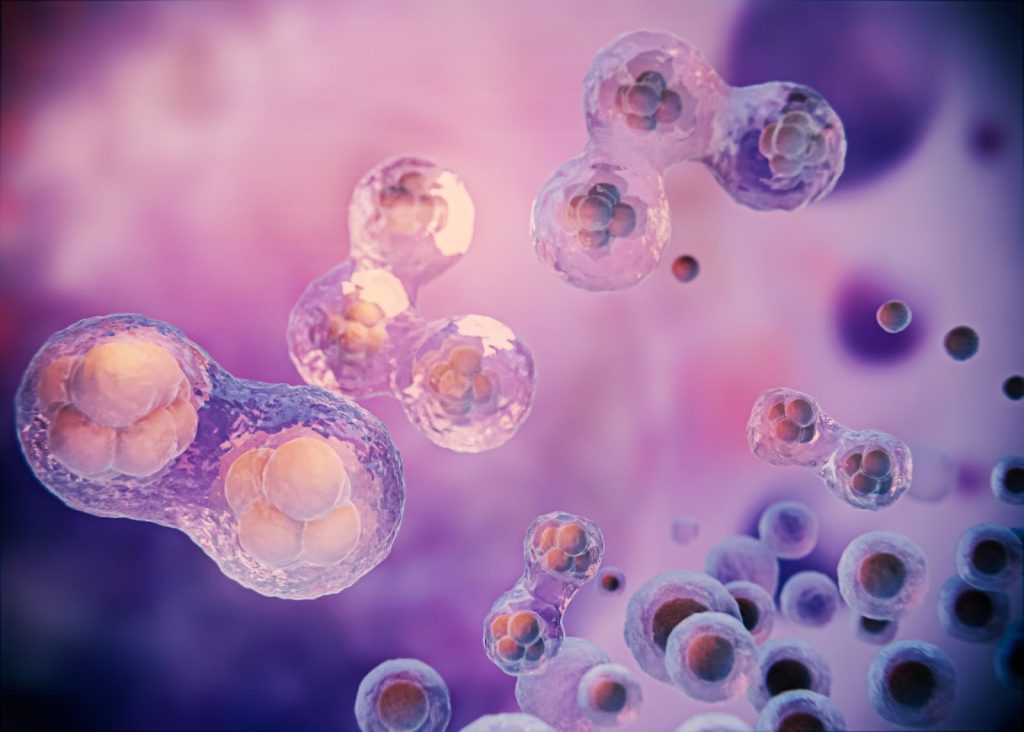
Energy production occurs at the cellular level, particularly within the mitochondria. Over time, mitochondrial efficiency declines, leading to fatigue and reduced physical output. Certain peptides enhance mitochondrial function, allowing cells to produce energy more efficiently.
This increase in cellular energy translates to better mental clarity and sustained physical endurance throughout the day. Unlike stimulants, peptides support energy generation without overstimulation or dependency.
Peptides for Anti-Aging and Longevity Support
Peptides for anti-aging focus on tissue repair, inflammation reduction, and hormonal balance. These mechanisms support healthier skin, improved joint function, and better immune resilience. Anti-aging peptides also promote recovery at a cellular level, helping the body repair damage more efficiently over time.
Rather than masking the symptoms of aging, advanced peptide therapy addresses underlying biological processes. This proactive approach to wellness helps individuals feel and function younger while supporting long-term health goals.
Safety, Dosing, and Personalization in Peptide Therapy
One of the most important aspects of successful peptide therapy is proper dosing and personalization. Peptides are powerful biological messengers, and their effectiveness depends on how they are administered and monitored.
Why Optimal Dosing Matters in Peptide Treatments
Optimal dosing ensures that peptides deliver benefits without overstimulation or diminished effectiveness. Too little may produce minimal results, while excessive dosing may overwhelm natural feedback systems. Professional guidance helps determine the correct dosage based on individual physiology, goals, and response to therapy.
Gradual titration allows the body to adapt naturally, resulting in more consistent and sustainable outcomes. This approach is key to maximizing peptide benefits while maintaining safety.
The Importance of Medical Guidance and Monitoring
Peptide therapy is most effective when guided by trained professionals who understand hormonal pathways and metabolic function. Regular monitoring allows for protocol adjustments, ensuring that peptide treatments remain aligned with evolving health goals.
Personalization is what separates advanced peptide therapy from generic supplementation. By tailoring treatment plans, individuals can achieve optimal results while supporting overall wellness and longevity.
Who Can Benefit From Peptide Therapy?
Peptide therapy is suitable for adults exploring advanced health optimization, whether their goal is weight loss, muscle development, energy enhancement, or anti-aging support. Individuals experiencing fatigue, slowed metabolism, or difficulty maintaining muscle despite healthy habits often benefit most from peptides for wellness.
Because peptides work with the body rather than against it, they appeal to those looking for sustainable, science-driven solutions. From busy professionals to aging adults focused on longevity, peptide therapy provides a flexible and powerful approach to modern health challenges.
Final Thoughts on Peptide Benefits and Long-Term Wellness
Peptide therapy represents a shift toward smarter, more precise health optimization. By leveraging the body’s natural signaling systems, peptides for weight loss, muscle growth, energy, and anti-aging offer results that are both effective and sustainable.
As interest in peptide treatments continues to grow, education becomes essential. Understanding how peptides work, why dosing matters, and how personalization enhances outcomes empowers individuals to make informed decisions about their health. Whether seeking improved performance or healthier aging, advanced peptide therapy provides a pathway rooted in science, balance, and long-term wellness.
For those interested in exploring peptide therapy further, professional guidance ensures that treatments are safe, effective, and tailored to individual health goals. Contact us today to learn more about how peptide therapy can support your journey toward optimal health and vitality.
Frequently Asked Questions
- What is peptide therapy, and how does it work?
Peptide therapy uses specific amino acid chains to signal the body to perform targeted functions such as fat loss, muscle repair, energy production, and hormone regulation. Instead of replacing hormones, peptides encourage the body to optimize its natural processes, making peptide treatments a more balanced and personalized wellness solution.
- Can peptides really help with weight loss?
Yes, peptides for weight loss support metabolic efficiency, fat utilization, and appetite regulation. Fat loss peptides and growth hormone–supporting peptides help the body burn stored fat while preserving lean muscle, which leads to more sustainable and healthier weight loss results.
- How do peptides support muscle growth and recovery?
Peptides enhance protein synthesis, muscle repair, and recovery after workouts. By improving cellular regeneration and supporting growth hormone release, peptide therapy helps build lean muscle, reduce recovery time, and improve overall physical performance without the risks associated with anabolic substances.
- Are peptide treatments safe for long-term use?
When prescribed and monitored by a qualified healthcare professional, peptide therapy is considered safe for long-term wellness. Proper dosing, medical oversight, and personalized treatment plans ensure peptides work in harmony with the body’s natural systems.
- Who is a good candidate for advanced peptide therapy?
Adults seeking improved energy, weight loss support, muscle preservation, or anti-aging benefits may be good candidates for advanced peptide therapy. It is especially beneficial for individuals experiencing slowed metabolism, fatigue, or age-related hormonal changes despite maintaining a healthy lifestyle.