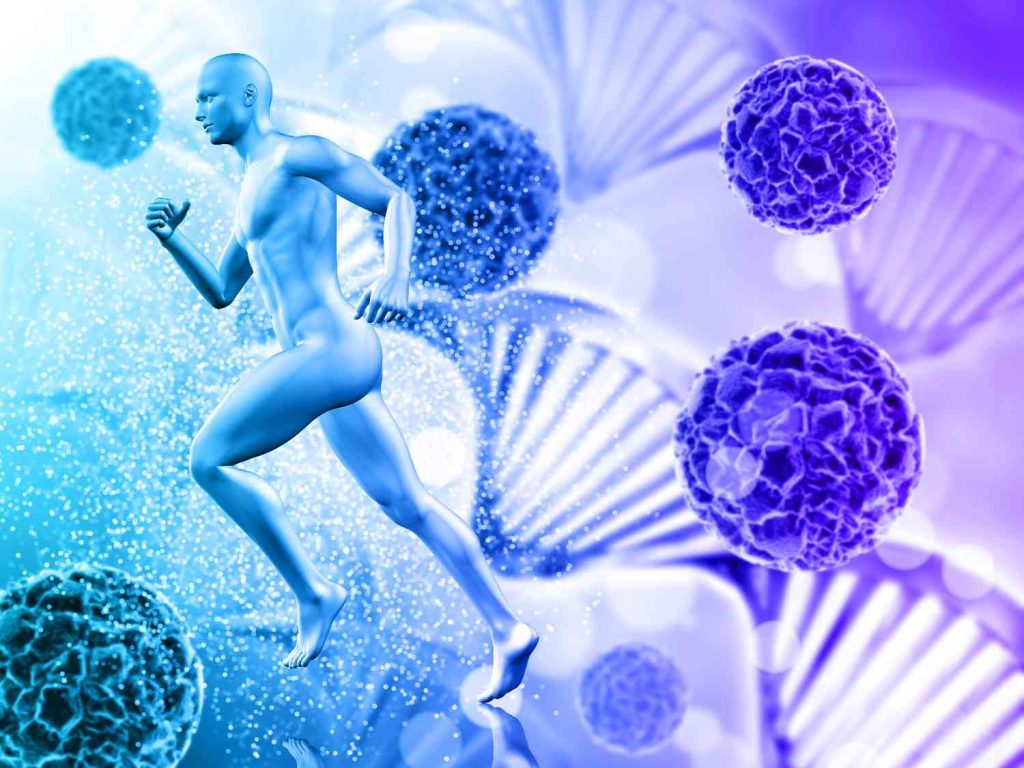
Peptide-based therapies are gaining significant attention in regenerative medicine, particularly among active adults and athletes seeking advanced recovery solutions. Many individuals recovering from sports injuries, joint discomfort, or soft tissue damage are exploring innovative treatments that support natural healing processes. Among these approaches, peptides for muscle repair have emerged as a promising option for enhancing recovery, reducing inflammation, and supporting tissue regeneration. As scientific understanding of peptide therapy expands, healthcare providers continue exploring how targeted peptide treatments can assist individuals in returning to physical activity while supporting long-term musculoskeletal health.
Soft tissue injuries, joint strain, ligament damage, and chronic inflammation are common challenges for athletes and physically active individuals. Traditional recovery methods such as physical therapy, rest, and anti-inflammatory treatments remain important components of rehabilitation. However, regenerative therapies such as peptides offer an additional layer of biological support by stimulating cellular repair pathways and enhancing natural healing responses. By influencing inflammation control, collagen production, and tissue regeneration, peptide therapy represents a progressive approach to recovery-focused wellness.
Understanding Peptides and Their Role in Injury Recovery
Peptides are short chains of amino acids that function as signaling molecules within the body. These compounds regulate cellular communication, tissue repair, immune responses, and inflammatory pathways. Research into sports injury peptides continues to grow, particularly regarding their ability to accelerate recovery following muscular strain, ligament damage, and joint inflammation.
Biological Mechanisms Supporting Tissue Repair
Peptides support healing by interacting with cellular receptors that regulate tissue regeneration and immune modulation. Specific peptides influence blood vessel formation, collagen synthesis, and protein production, all of which contribute to effective tissue healing. When tissues experience injury, the body initiates inflammatory and repair processes designed to restore structural integrity. Peptides enhance these natural responses by promoting balanced inflammation control and improving cellular communication pathways.
Peptides and muscle growth are closely linked to recovery processes because muscle regeneration requires protein synthesis, cellular repair, and hormone signaling support. By enhancing these pathways, peptides assist the body in rebuilding damaged tissue while reducing prolonged inflammation that can delay recovery.
The Connection Between Recovery and Performance
Injury recovery does not focus solely on healing damaged tissue but also involves restoring strength, flexibility, and endurance. Muscle growth peptides support physiological processes that contribute to rebuilding strength following injury. Athletes and active individuals often seek therapies that support performance restoration while minimizing long-term injury risks. Peptide therapy offers regenerative support that complements structured rehabilitation and training programs.
BPC-157 Healing and Soft Tissue Regeneration
BPC-157 is widely studied in regenerative medicine for its potential role in supporting soft tissue healing and inflammation management. Derived from naturally occurring proteins, BPC-157 interacts with biological repair pathways that influence tendon healing, ligament repair, and muscle regeneration. Research exploring BPC-157 healing suggests that this peptide may support improved circulation, cellular regeneration, and collagen synthesis, all of which contribute to tissue recovery.
Tissue Protection and Inflammation Regulation
BPC-157 is recognized for its potential to protect injured tissues while supporting anti-inflammatory processes. When tissues experience strain or trauma, inflammation plays a necessary role in initiating healing. However, prolonged or excessive inflammation may delay recovery and contribute to chronic pain. BPC-157 supports balanced inflammatory responses, helping tissues progress through recovery phases more efficiently.
In addition to inflammation control, BPC-157 supports blood vessel development, which improves oxygen and nutrient delivery to injured tissues. Improved circulation enhances cellular repair and reduces healing time. Individuals exploring peptides for muscle gain during recovery phases may benefit from improved tissue repair efficiency that supports rehabilitation progress.
Supporting Joint and Ligament Healing
Joint pain and ligament injuries often involve slow recovery due to limited blood supply in connective tissues. BPC-157 influences collagen production and connective tissue regeneration, supporting structural repair in joints and ligaments. For active adults experiencing chronic joint discomfort or sports-related ligament injuries, BPC-157 may provide regenerative support when incorporated into comprehensive rehabilitation strategies.
TB-500 Recovery and Cellular Regeneration
TB-500, another peptide studied in regenerative medicine, is associated with cellular migration and tissue repair support. This peptide interacts with actin proteins, which regulate cellular movement and structural organization during healing processes. TB-500 recovery therapy focuses on enhancing tissue regeneration by supporting cellular repair and reducing inflammation.
Enhancing Tissue Flexibility and Recovery Efficiency
TB-500 is believed to support tissue flexibility by promoting cellular organization and collagen remodeling. Injured tissues often develop scar tissue that limits flexibility and increases re-injury risk. TB-500 supports balanced tissue regeneration that encourages flexible, functional healing rather than rigid scar formation. This regenerative process supports athletes working to restore range of motion and prevent chronic injury complications.
TB-500 also influences inflammatory signaling pathways that contribute to recovery efficiency. By supporting immune system regulation, this peptide assists the body in progressing through healing phases while minimizing prolonged swelling and discomfort. Peptides for muscle repair that include TB-500 are frequently studied for their role in accelerating recovery from repetitive stress injuries and intense training strain.
Supporting Athletic Recovery and Performance Restoration
Athletes and physically active individuals often experience microtears in muscle fibers during training or competition. TB-500 supports cellular repair mechanisms that assist in muscle regeneration following intense physical activity. Muscle growth peptides combined with structured rehabilitation programs may support strength rebuilding while reducing recovery downtime.
Peptides for Inflammation and Joint Pain Management
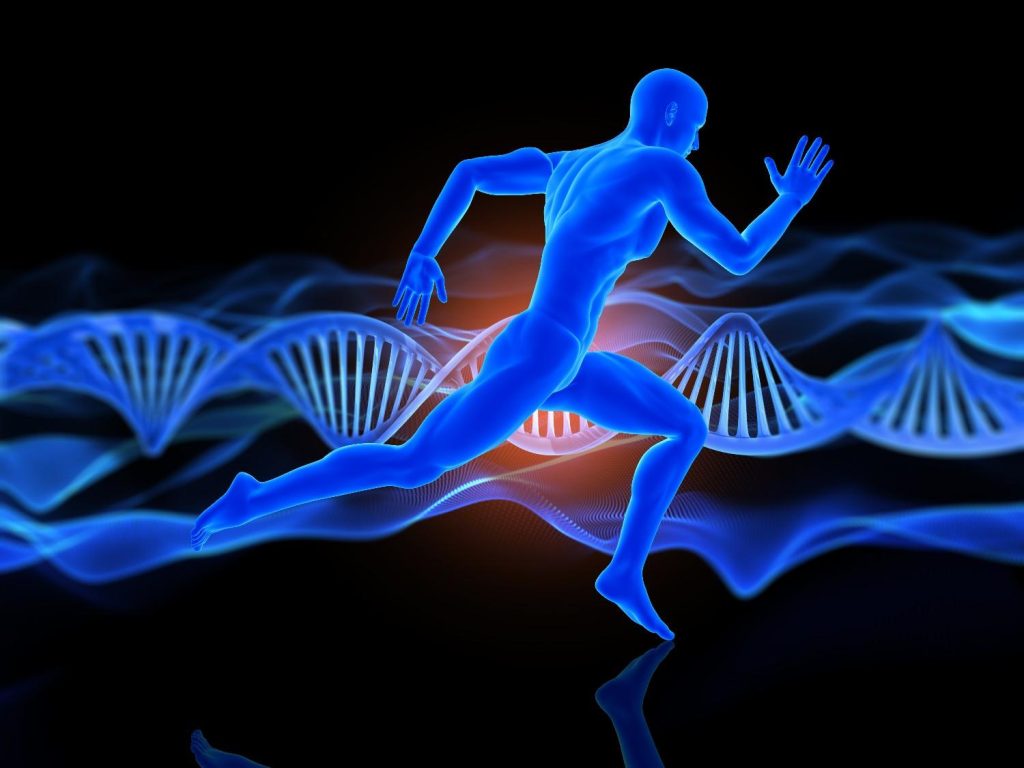
Inflammation plays a central role in injury recovery but must remain balanced to prevent prolonged tissue damage. Peptides for inflammation support immune system modulation and inflammatory response control. Chronic inflammation contributes to joint stiffness, discomfort, and delayed tissue healing, making inflammation management essential for effective recovery.
Regulating Immune Responses in Injury Recovery
Peptides influence immune signaling pathways that regulate inflammatory reactions following injury. Controlled inflammation allows damaged tissues to progress through healing stages without excessive swelling or cellular damage. Peptides and muscle growth therapies often incorporate inflammation-modulating peptides that support recovery while maintaining immune balance.
Joint pain associated with sports injuries or repetitive stress often results from inflammation in connective tissues. By supporting collagen synthesis and immune regulation, peptides contribute to joint stability and flexibility. Individuals exploring peptide therapy near me for joint pain management often seek therapies that support recovery while maintaining long-term joint function.
Supporting Chronic Injury Rehabilitation
Chronic injuries develop when tissues fail to heal properly or experience repeated stress. Peptides support regenerative pathways that assist in repairing long-term tissue damage. Athletes recovering from chronic tendonitis, ligament strain, or muscle fatigue may benefit from regenerative therapies that support tissue repair and structural stability. Testosterone peptides may also play a supportive role in recovery by influencing protein synthesis and muscle regeneration processes.
Peptides and Muscle Growth During Injury Recovery
Muscle regeneration is a critical component of injury recovery because damaged muscle fibers require structural rebuilding before returning to full performance capacity. Peptides and muscle growth therapies support protein synthesis, hormonal signaling, and cellular repair processes involved in muscle regeneration.
Supporting Strength Rebuilding After Injury
Peptides for muscle gain influence metabolic pathways that support lean muscle development during rehabilitation. These peptides assist in restoring strength lost during injury recovery periods. Muscle growth peptides encourage balanced muscle regeneration, helping individuals rebuild performance capacity while minimizing the risk of re-injury.
Recovery-focused muscle development requires a combination of rehabilitation exercises, nutritional support, and regenerative therapies. Peptide therapy complements structured rehabilitation by supporting physiological repair pathways that enhance training consistency and muscle recovery efficiency.
Hormonal Influence on Recovery and Regeneration
Hormonal balance plays a significant role in tissue repair and muscle development. Testosterone peptides support hormone signaling pathways that influence protein synthesis, energy regulation, and muscle regeneration. While these peptides support recovery, they function as signaling regulators rather than hormone replacements. Individual hormonal responses vary, emphasizing the importance of personalized therapy planning.
Medical Supervision and Personalized Peptide Therapy
Peptide therapy requires professional medical supervision to ensure safe and effective treatment outcomes. Healthcare providers evaluate injury history, metabolic health, hormone balance, and rehabilitation goals before recommending peptide therapy. Personalized treatment planning supports recovery optimization while minimizing therapy risks.
Individualized Treatment Planning for Injury Recovery
Each injury presents unique healing challenges depending on tissue type, severity, and patient health status. Medical professionals develop customized peptide therapy protocols designed to support specific recovery goals. Individuals exploring peptide anti aging treatment often combine recovery therapies with longevity-focused wellness strategies that support overall musculoskeletal health.
Healthcare providers monitor therapy progress and adjust dosing protocols based on patient response. Monitoring ensures therapy effectiveness while reducing the risk of adverse reactions. Individuals seeking peptide therapy near me should prioritize providers experienced in regenerative medicine and musculoskeletal rehabilitation.
Combining Peptide Therapy With Rehabilitation Strategies
Peptide therapy is most effective when integrated with comprehensive rehabilitation programs. Physical therapy, strength training, and mobility exercises support tissue recovery and performance restoration. Regenerative therapies enhance rehabilitation outcomes by supporting cellular repair and inflammation control. This combined approach supports long-term injury prevention and performance sustainability.
Long-Term Benefits of Regenerative Peptide Therapy
Peptide therapy not only supports injury recovery but also contributes to long-term musculoskeletal health and performance optimization. By supporting collagen production, tissue regeneration, and inflammation control, peptides assist individuals in maintaining joint flexibility and structural stability. Active adults and athletes often pursue regenerative therapies to support longevity in physical performance and reduce the risk of chronic injury development.
Recovery-focused peptide therapy may also support metabolic health, energy regulation, and tissue resilience. When incorporated into structured wellness strategies, regenerative therapies contribute to improved physical endurance and reduced recovery downtime. Peptides for muscle repair remain a valuable component of regenerative medicine because they enhance natural healing processes without replacing traditional rehabilitation methods.
Conclusion
Peptide therapy is an advanced approach to injury recovery, joint pain management, and soft tissue healing. By supporting cellular repair, inflammation control, and collagen production, therapies such as BPC-157 and TB-500 help enhance tissue recovery and athletic rehabilitation. Peptides and muscle growth therapies also support strength rebuilding and performance restoration, while testosterone peptides assist natural hormonal signaling involved in regeneration. When provided under professional medical supervision, peptide therapy offers personalized recovery support aligned with individual health goals.
If you are interested in learning more about peptides for muscle repair and regenerative recovery options, contact us today to explore personalized treatment solutions designed to support your recovery and long-term wellness.
Frequently Asked Questions
How do peptides for muscle repair support injury recovery?
Peptides for muscle repair support cellular regeneration, protein synthesis, and inflammation control. They help damaged muscle fibers heal more efficiently while supporting tissue strength, flexibility, and overall recovery after physical injury.
What is BPC-157, and how does it help healing?
BPC-157 is a regenerative peptide studied for supporting tendon, ligament, and muscle healing. It may improve circulation, reduce inflammation, and promote collagen production, helping injured tissues recover more effectively.
How does TB-500 help with joint and soft tissue recovery?
TB-500 supports cellular migration and tissue repair by enhancing collagen remodeling and reducing inflammation. It helps improve flexibility and supports faster recovery from muscle strain, joint discomfort, and sports injuries.
Are peptides and muscle growth therapies helpful during rehabilitation?
Peptides and muscle growth therapies support protein synthesis and tissue repair, helping rebuild strength during rehabilitation. They work best alongside structured exercise programs, proper nutrition, and professional medical supervision.
Can testosterone peptides improve injury recovery?
Testosterone peptides support natural hormone signaling that influences muscle regeneration, energy balance, and protein synthesis. They may support recovery, but results vary depending on individual hormone levels and health conditions.